Even the Ocean Spit Him Out
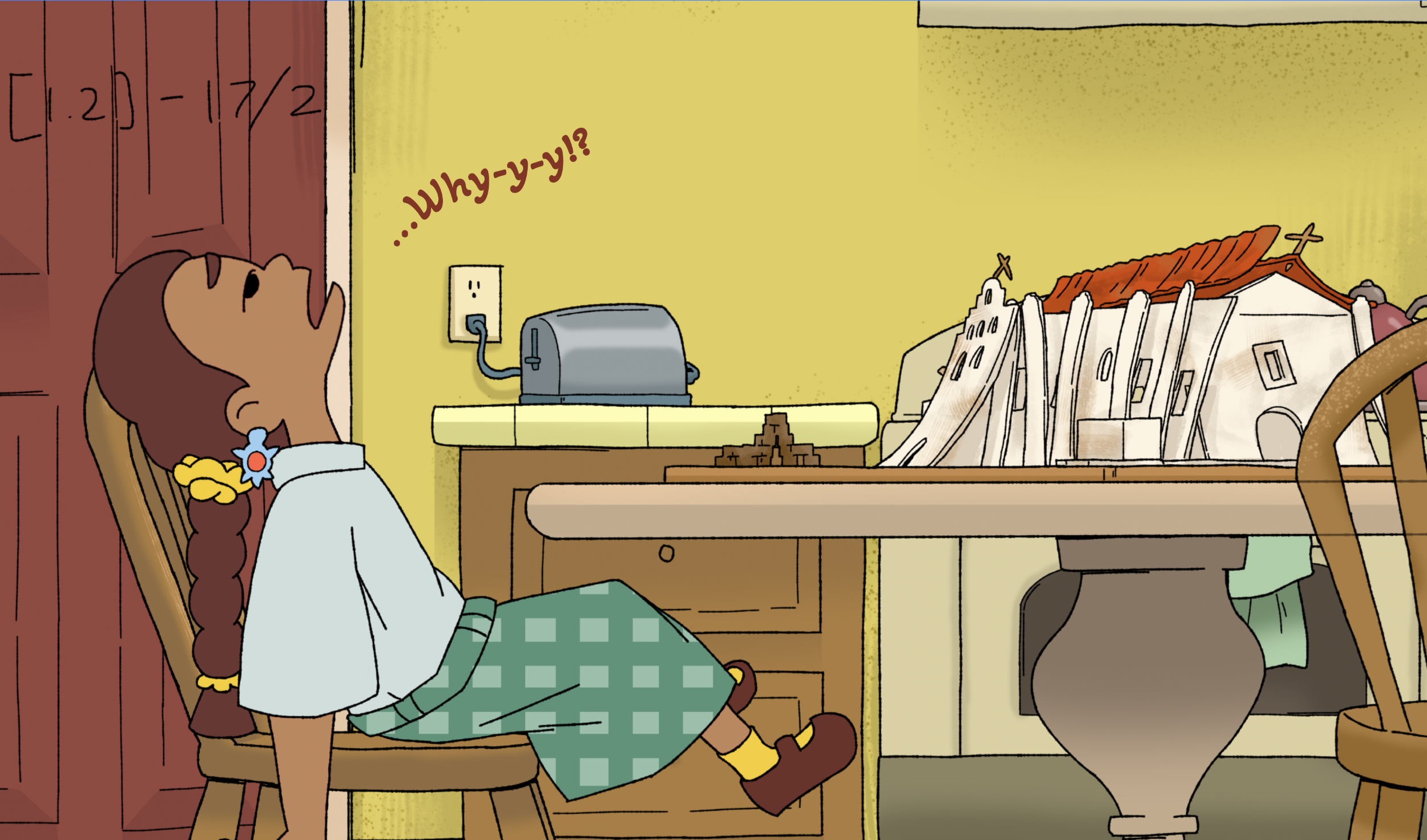
Even the Ocean Spit Him Out is a hand-drawn documentary animation in which a childhood Mission Model project becomes a site of reckoning—revealing Indigenous resistance, continuance, and survival in the face of the California genocide.
Even The Ocean Spit Him Out is a 2D animated documentary that confronts the colonial myths at the heart of California history through Indigenous storytelling, satire, and poetic narration. What begins as a seemingly ordinary fourth-grade Mission Model project becomes a site of reckoning—revealing how state-sanctioned education transforms violence into nostalgia, and erasure into common sense.
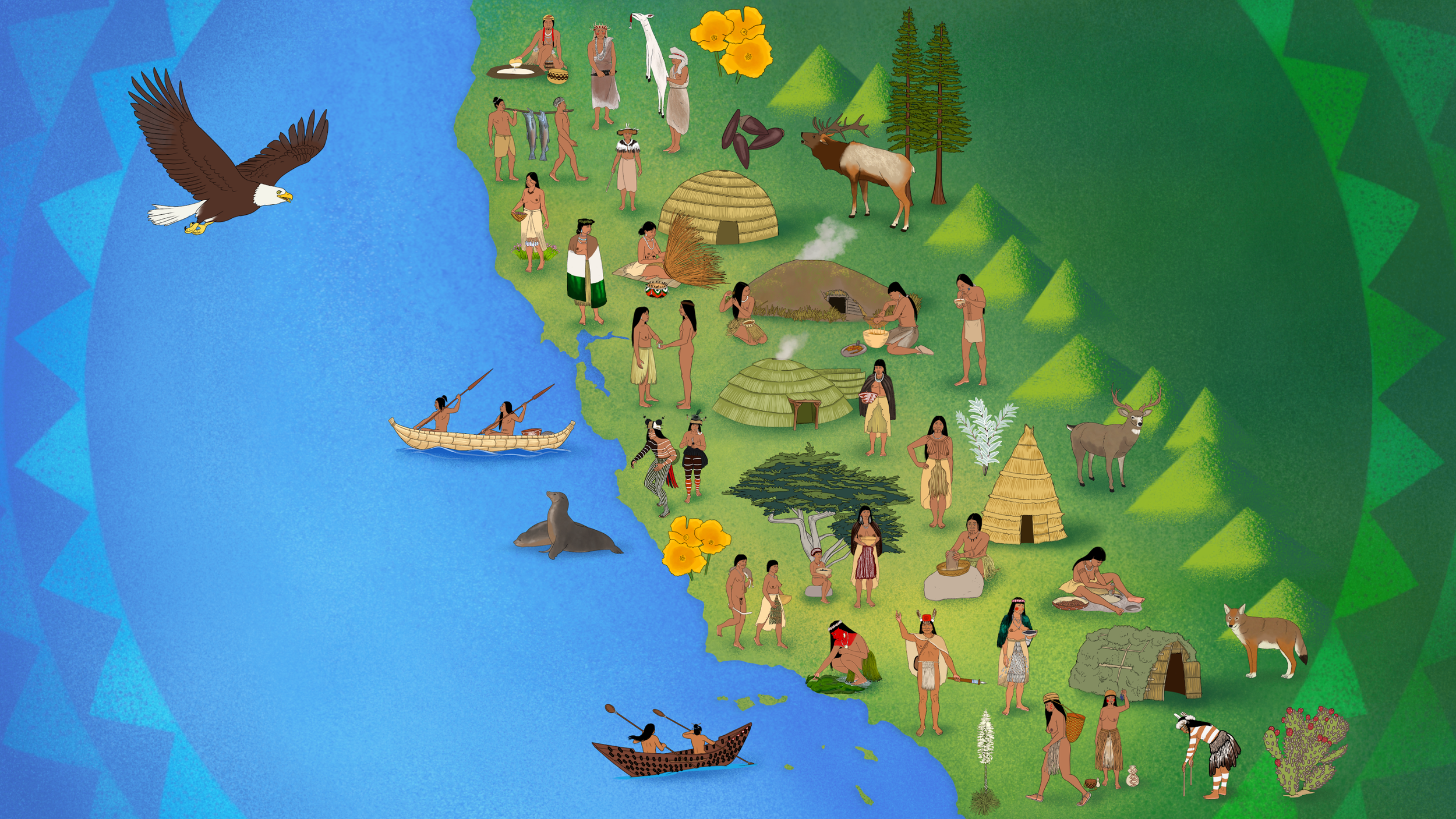
Guided by an Indigenous narrator grappling with what she was taught and what was withheld, the film weaves memory, oral history, and animated intervention to expose the long shadow of the Mission system and the state-sponsored genocide of California Indians. Family stories surface alongside archival fragments, tracing how silence became a strategy of survival—and how reclaiming suppressed histories becomes an act of refusal.
At once intimate and political, Even the Ocean Spit Him Out challenges monumentality, historical amnesia, and the power of storytelling itself—asking who has been centered in California’s past, and at what cost. The film affirms Indigenous presence, resilience, and futurity, insisting that California’s story cannot be told honestly without Indigenous voices at its core.
Directed by John Jota Leaños (Chumash), Even the Ocean Spit Him Out is created by a collaborative team of Native and BIPOC artists, writers, and illustrators whose lived experience and creative practice shape the film at every level. The project is supported dramaturgically and narratively by Native and BIPOC collaborators including Sean Levon Nash (Choctaw), Jocelyn Garcia (Pomo), Nicolette Ray (Acoma Pueblo), along with illustrators and animators Allison Nguyen, Daniel Parada, Justin Leung, and Katarina Fink. Together, the team ensures the film’s tone, satire, and visual storytelling remain grounded, rigorous, and resonant—rooted in Indigenous presence, accountability, and care.
How to Donate:
Donate by credit card at the Donate button on the top of this page. To donate by check or direct deposit, visit this page.